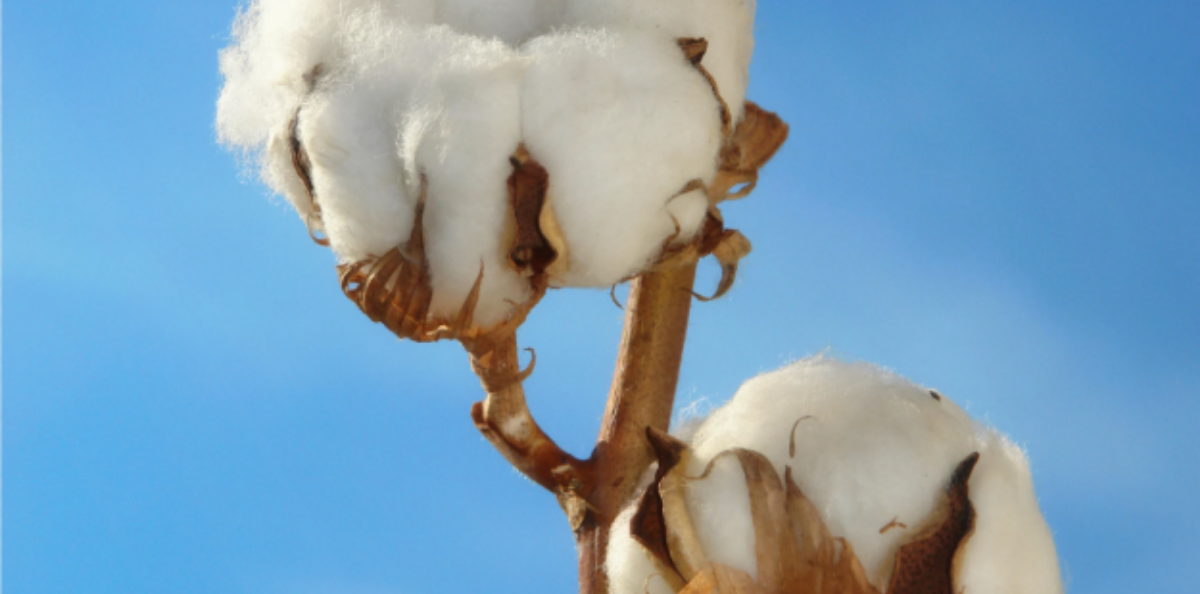
Cotton made in Africa
Lidl’s Commitment to Sustainable Textiles
Lidl has been a partner of the Cotton made in Africa (CmiA) initiative since February 2020. Through this collaboration, we actively support socially and ecologically sustainable cotton farming at the very beginning of the textile supply chain, ensuring that raw materials for our own-brand products are grown and sourced responsibly.
Featuring the CmiA label on selected textile products demonstrates our corporate due diligence regarding environmental and social standards across the supply chain. When customers purchase a Lidl textile product bearing the CmiA seal, they directly support the initiative. Growing demand for sustainable cotton enables smallholder farmers across Africa to learn efficient, environmentally conscious farming methods that help protect natural resources and improve living conditions.
Lidl is committed to long-term sustainability across its supply chain. Building on our partnership with CmiA alongside independent certifications such as the Global Organic Textile Standard (GOTS) and the Organic Content Standard (OCS), our target is to source 100% sustainable cotton across our own-brand ranges.
About Cotton made in Africa
Cotton made in Africa is an internationally recognised standard for sustainably produced African cotton. Since 2005, the initiative behind the label has worked to protect the environment while improving working and living conditions for smallholder farmers and ginnery workers.
By building partnerships with global textile companies, CmiA creates direct demand for sustainably produced cotton. Participating cotton companies organize agricultural and business training for smallholder farmers. The skills gained help farmers cultivate cotton more efficiently and sustainably, improving yields and protecting their soil. By applying these sustainable methods, smallholders build greater resilience against climate impacts and economic fluctuations, securing long-term livelihoods for future generations.