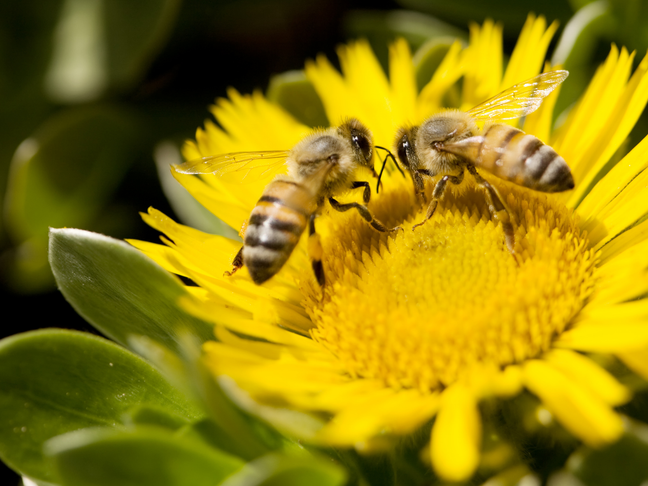
Biological diversity is the foundation of our ecosystems and supply chains. From intact soils and clean water systems to natural pollination, healthy ecosystems are essential for securing food production and global raw materials.
As an international retailer, we recognise our responsibility to mitigate habitat loss and protect ecosystems across our value chain. We systematically address biodiversity risks by establishing clear sourcing guidelines for high-risk raw materials, promoting deforestation-free supply chains, and supporting sustainable farming practices. Through targeted measures, we actively work to minimise our footprint and protect essential ecosystems for future generations.
Ambition
We are committed to minimising our impact on biodiversity and natural ecosystems across our value chain. Together with international partners, we implement sustainable sourcing standards, promote deforestation-free supply chains, and support responsible land use to help safeguard essential natural resources.
Protecting Malta’s Coastlines & Marine Life
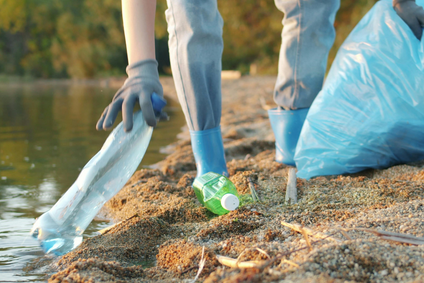
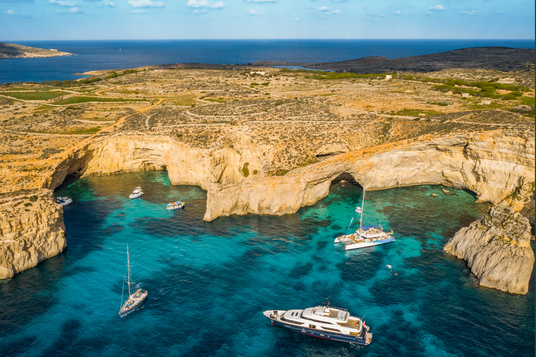
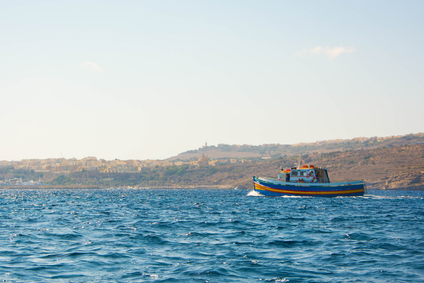
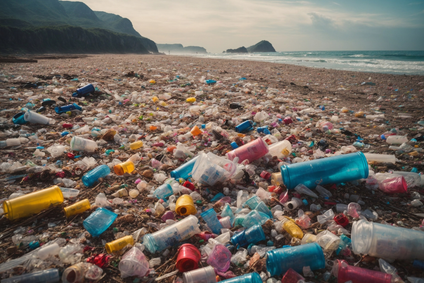
As an island nation, Malta’s coastal ecosystems and marine life are central to the local environment. Marine pollution - particularly plastic waste and discarded litter - poses a direct threat to coastal habitats, marine biodiversity, and delicate species such as local sea turtles and seabirds. Preventing waste from entering the natural environment is essential to safeguarding our shared natural heritage.
Our Partnership with Nature Trust Malta
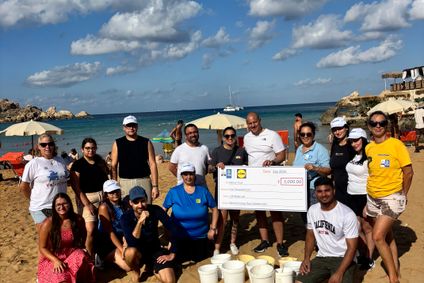
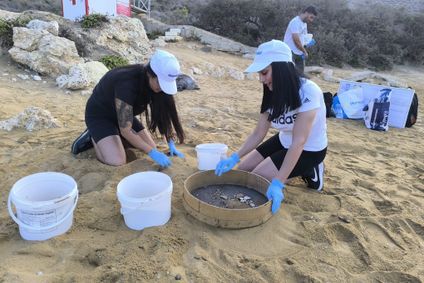
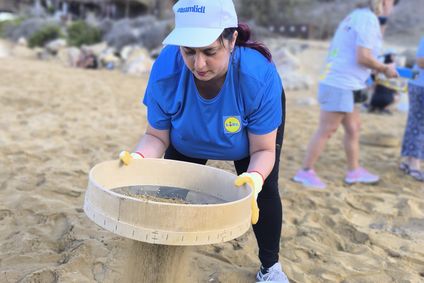
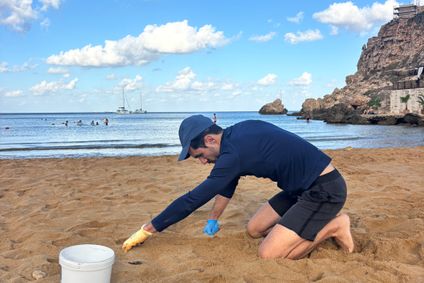
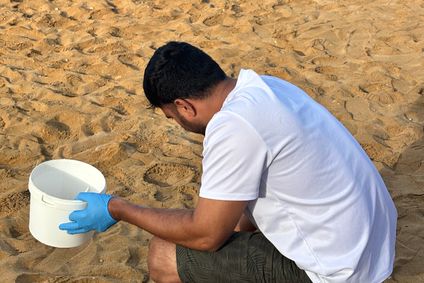
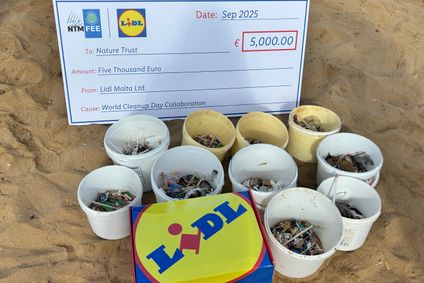
To support local marine conservation, Lidl Malta partners with Nature Trust - FEE Malta, a leading non-governmental organization dedicated to environmental education and ecosystem protection. Together, we organise and support regular beach cleanups across the Maltese islands. These hands-on initiatives directly remove harmful litter from beaches and coastal areas, preventing waste from entering the marine environment while raising awareness about the importance of waste prevention and responsible disposal.
Marine Pollution: Key Facts
Plastic Persistence
Most marine litter consists of plastics that do not biodegrade, instead break down into harmful microplastics that accumulate in marine food webs.
Threat to Wildlife
Coastal and marine debris directly harms marine species through ingestion and entanglement, threatening local biodiversity.
Land-to-Sea Waste
An estimated 80% of marine litter originates from land-based human activities, making coastal cleanups and waste prevention critical first lines of defence.
Our Measures
Lidl Detox Commitment
In December 2014 Lidl was the first food retailer to take part in Greenpeace's Detox Campaign. Lidl has the aim of completely eliminating the use of 11 chemical groups, which Greenpeace has defined as forbidden, in the production of its own textile and shoe brands by 2020, or replacing them with safe substances. Here you can acccess Lidl's Detox Report 2020.
Lidl is developing the first certification for biodiversity-friendly conventional agricultural practices. Our aim is to make conventional agriculture more biodiversity-friendly
As a company we strive for greater sustainability across our business and aim to offer an ever more sustainable assortment, ensuring high quality standards and promoting healthy eating and conscious consumption. To achieve this we source in a more responsible manner and use recognised certifications that guarantee the environmental and social sustainability of our products.
Cotton made in Africa
Cotton made in Africa is an initiative of the Aid by Trade Foundation and one of the world's leading standards for sustainably produced cotton. The initiative aims to help smallholder farmers in Africa to improve their living and working conditions by helping them to help themselves - i.e. through trade instead of donations - and to promote environmental protection in a targeted manner. In on-site training courses, the farmers learn efficient and sustainable farming methods that help them to achieve better yields and to protect the environment and their health. This is made possible by the contribution of responsible textile companies as partners of Cotton made in Africa.
The Aquaculture Stewardship Council (ASC) is an impact-driven, independent NGO. The organisation was co-founded in 2010 by the WWF to manage global standards for responsible aquaculture.
ASC-certified farms are independently assessed and make an impact at every step: From water quality, responsible sourcing of feed, disease prevention, animal welfare, to fair treatment of workers and maintaining positive relationships with local communities.
Consumers can trust that the ASC label stands for seafood that was produced with care for people and our planet.
The Global Organic Textile Standard (GOTS) was established by international standards organizations to be used for more environmentally-friendly and socially responsible textile production. The seal indicates a globally uniform, auditable, social and ecological standard. As such, only those textile products that are made of a minimum 70 percent of organically produced natural fibers carry the seal. This independently certifies the entire textile production chain. All products are also traceable and can be verified in the public database.
Hohenstein is a globally active, independent testing, certification and research service provider. Hohenstein tests textile products for various quality criteria - from production to the end product. The Hohenstein quality label "Tested Quality" examines the processing of the textile product and tests for harmful substances. The assessment is carried out by innovative technologies and experienced clothing engineers. The "Fit" quality label guarantees that textiles have a material-appropriate and functional fit and that this is consistent across the entire collection. The fit is assessed by innovative technologies and experienced garment engineers.
The LENZING™ ECOVERO™ brand belongs to the Lenzing Group - a global company that produces textile fibres from the raw material wood. The viscose fibre LENZING™ ECOVERO™ is obtained from sustainable wood and pulp and comes from certified and controlled sources according to the strict guidelines of the Lenzing Wood and Pulp Policy. The fibres are certified with the EU Ecolabel.
Lidl is a member of Leather Working Group (LWG) and promotes responsible leather manufacturing throughout the leather supply chain. The Leather Working Group is a not-for-profit multistakeholder initiative responsible for the world's leading Environmental, Social, and Governance certification standard for leather manufacturing. As a multi-stakeholder initiative, LWG has over 2000 certified suppliers from the entire leather industry.
Since 2005, LWG has been working to develop best practices in the industry and provide guidelines for continuous improvement.
Organic food production respects the environment and the planet's resources by not using pesticides and artificial additives or genetically modified foods. Through this form of agriculture, biodiversity is preserved to protect the resources of tomorrow. With organic products customers can taste a natural flavour and be conscious of contributing to the protection of the environment. The EU logo guarantees compliance with EU regulations on organic agriculture, reducing the environmental impact and ensuring greater respect for nature and its species.
The product label OEKO-TEX® STANDARD 100 stands for an internationally harmonized, independent verification and certification system for textiles. It includes testing for harmful substances, including chemicals prohibited by law and harmful to health. The thresholds defined in the standard are intended to protect consumers and go far beyond the (inter)national requirements.
The Organic Content Standard verifies the exact proportion of organic material in a product along the production chain. The OCS blended label is awarded if at least 5% of the cotton content of a textile product comes from controlled organic cultivation. The OCS 100 seal is awarded for a share of 95 % or more. The standard is awarded by the globally active non-profit organisation Textile Exchange, which aims to make the global value chains of the textile industry more sustainable.
PEFC (PROGRAMME Text_FOR THE ENDORSEMENT OF FOREST CERTIFICATION SCHEMES) is a non-profit international non-governmental organization (NGO) whose objective is the sustainable management of forests and the traceability of its products; from the forest to the final consumer.
The brand is found on products deriving from forests (in materials such as paper, cardboard or wood). To obtain this certification, the processing companies undergo a verification procedure by an independent body. This attests that the raw material comes from a sustainably managed forest, respecting an internationally defined standard. This guarantees its ecological and social sustainability, promoting, amongst various aspects, the conservation of forests and the protection of the biodiversity of their ecosystem.
The Roundtable on Sustainable Palm Oil (RSPO) is a global initiative with the goal of making sustainable palm (kernel) oil the norm. The label promotes more sustainable oil palm cultivation methods. This is meant to reduce the negative impact on the environment. The certification criteria are of ecological and social nature – amongst others, they specify that the basic rights of farmers and workers in the producer region must be respected. In addition, areas requiring protection must not be used for the cultivation of palms for palm (kernel) oil.
The TENCEL™ brand belongs to the Lenzing Group - a globally active company that produces textile fibers from the raw material wood. The label TENCEL™ Lyocell describes that the textile product consists of environmentally friendly cellulose fibers that have been produced in a resource-saving manner and are completely biodegradable. TENCEL™ Modal stands for fibers that have also been produced in a resource-friendly way and are known for being particularly soft and pleasant on the skin.
Fairtrade stands for better working and living conditions for small-scale producers and workers in Africa, Asia, and Latin America. More than 1.6 million small-scale producers and workers are already benefiting from stable minimum prices, the fair trade premium for communal projects and the promotion of environmentally sound farming. The independently verified Fairtrade standards comprise criteria on democratic organizational structures, environmental protection and safe working conditions.
In addition to the Fairtrade product label, there is the Fairtrade raw material label for Fairtrade ingredients in a composite product. The Fairtrade raw material label refers to a single fairly grown and traded ingredient, namely cocoa, sugar, fruit juice, tea or cotton. If an ingredient with quantity compensation is used, this ingredient is marked with an arrow.
This means that only the ingredient indicated in the label in the mixed product is Fairtrade-certified - for example, the quantity of cocoa or sugar required for a chocolate bar was purchased under Fairtrade conditions. The Fairtrade standards in the producing countries will not change - the cooperatives will receive stable minimum prices and premiums. The checks are carried out by FLOCERT.
The EU Ecolabel is an international ecolabel recognized in all EU member states as well as Norway, Iceland and Lichtenstein. Goal of the EU Ecolabel is enabling consumers to identify products that are healthier and safer for the environment. The certificate is awarded for products that have a smaller environmental impact than comparable products. The EU Ecolabel makes high demands regarding socially responsible and environmentally friendly production as well as usability. The certification takes into account the whole life-cycle of the product, from raw material extraction, to production, distribution and disposal.
The Forest Stewardship Council® is a non-governmental, non-profit organization. Its goal is to promote environmentally friendly, socially acceptable and economically viable forest use. The FSC® seal (FSC® N001585) stands for the preservation of natural forests and against the conversion of near-natural forests to plantations, as well as for compliance with the FSC® standards across the entire processing and retail chain. Important criteria are the use of tree species appropriate to the location, the protection of valuable habitats, the ban on genetically modified plants and the avoidance of pesticides. Compliance with the FSC® rules is checked at least once a year by independent auditors.
The Marine Stewardship Council (MSC) is an international and independent non-profit organisation that works for the sustainable use of fish stocks and the protection of the marine environment. Only fisheries that meet the strict scientific criteria of the MSC Environmental Standard are allowed to identify their catches with the MSC label: this means no fishing on overfished stocks, negative impacts on other species and the seabed are minimized, and all fishing is subject to a forward-looking management with appropriate regulation and control of fishing activities. Compliance with the criteria is checked in a transparent process by independent expert teams and checked annually after successful certification.
The label identifies products or product contents that are sourced from farms that are Rainforest Alliance Certified. The origins must be managed according to strict guidelines of the Rainforest Alliance Sustainable Agriculture Standard. This includes criteria for environmental protection, social responsibility and profitability. The guidelines were developed on the one hand to protect and preserve wildlife and plants as well as soil and water, and on the other hand to improve the living conditions of the workers, their families and the local communities. The Rainforest Alliance label is particularly well-known for fresh fruit, tea, coffee or cocoa (formerly UTZ).
The V-Label® is an internationally recognised, registered symbol for labelling vegan and vegetarian products and services. For consumers, it is a simple and reliable guide to help them when they are shopping. Standardised criteria ensure that the V-Label® is a unique seal of quality for vegan and vegetarian products all across Europe. Thanks to regular controls by independent bodies, transparency, clarity and trustworthiness of the certified products are guaranteed.
Depending on their origin, the way they are obtained or their processing, raw materials can have a negative impact on humans and the environment. It is therefore part of our strategy to adopt a sustainable supply of raw materials.
Many of our own brand products contain raw materials that may be associated with deforestation. For this reason, we aim to ensure social and environmental awareness along our supply chains. Find out what our strategy is all about by reading our procurement policy for deforestation-free supply chains
Aware of our responsibility towards man and nature, like Lidl Italia we aim every day to reduce the impact of our work on the environment. We are committed through a purchasing policy to promoting more sustainable fishing to safeuard fish species and marine